


At the end of 2025, we conducted our first-ever research study on the effectiveness of evangelism and discipleship within our movement among university students and new grads. We surveyed almost 250 people
That data was then compiled and analyzed to try to answer a few questions:
Who is here / what is our demographic makeup?
How did they get here / is evangelism working?
Are people being discipled effectively?
What habits make up our students’ lives?
It turns out we generated a treasure trove of information about what is working and what is not working in our engagement with Gen-Z. While the findings are obviously specific to our context, there is good reason to believe the data would be relevant to any context working with the next generation.
1. The campus is global, so is the church.
Of the responses, more than 35% were not native to Canada. 35 nationalities and 26 languages were represented. Given that the sample size was less than 250, that is remarkable. If we were to conduct a comprehensive survey of everyone involved, we expect the numbers to be much higher still.
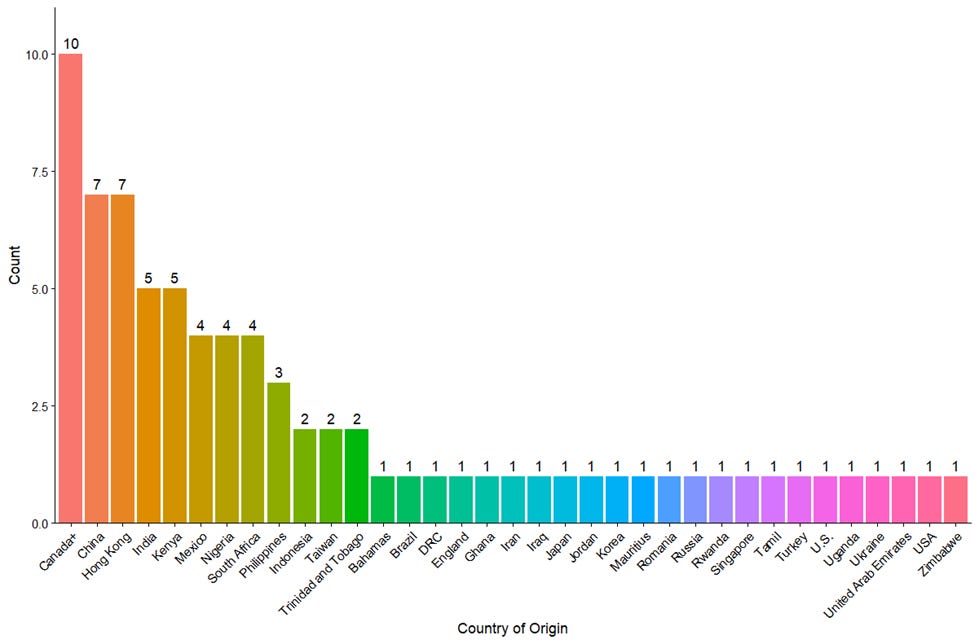
Key Learning: Engagement on university campuses must take into account the global context. We are not a mono-cultural context. For Canadians on campus, this is a bit of a “duh” moment.
2. Reaching the Humanities is a Challenge
I’ve spoken in many contexts about the popular myth that science threatens people’s faith. In our experience, it is science and engineering students who are the most open to faith. On the other hand, the humanities remain very difficult to build inroads in many cases.
Looking at a single campus, McMaster University: The first chart shows the breakdown of the entire student population at McMaster.
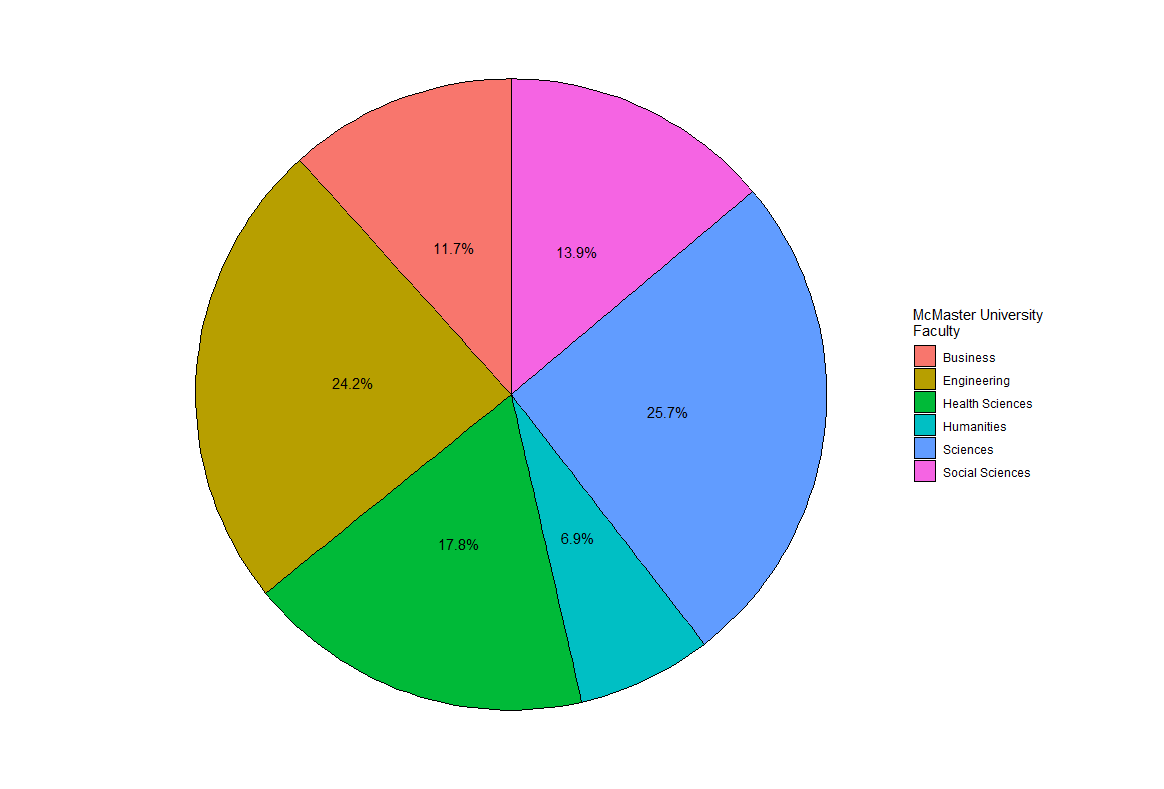
This second chart shows the representation of students as reported by our survey. It shows that we reach roughly proportional numbers of students in each faculty (science, engineering, health sciences), but have very little penetration in the humanities (1% at LIFT vs 7% at McMaster).
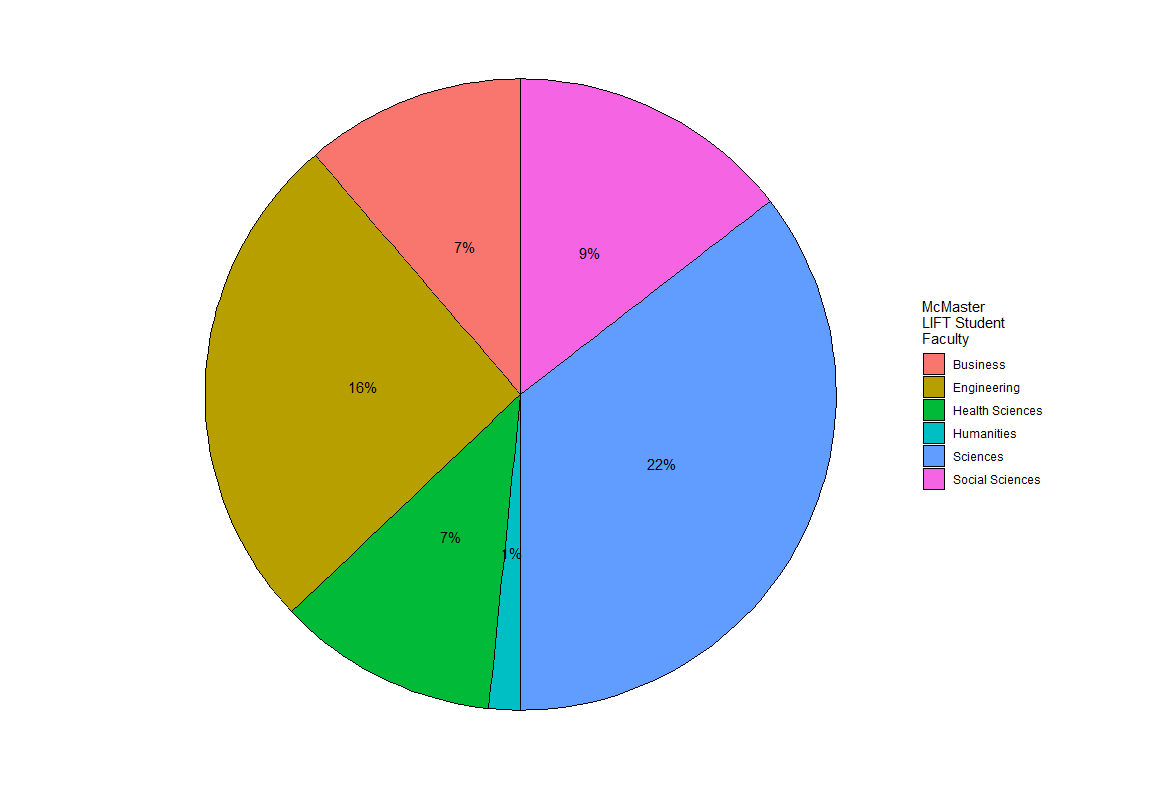
The situation is not quite as dire across our entire movement, but it does illustrate the ideological challenges of reaching students in the humanities. Our interpretation of this trend is that the ideological capture of the humanities and the more overt anti-Christian bias make it more difficult to reach humanities students.
Key Learning: The church needs to strengthen its apologetic for the post-Christian, critical-theory-framed worldview within the humanities.
3. Newer Students are Less Churched
Of those who responded, 37% reported not having grown up regularly attending church. That number has consistently increased over the last 3 years. Note the first two columns in each year below:
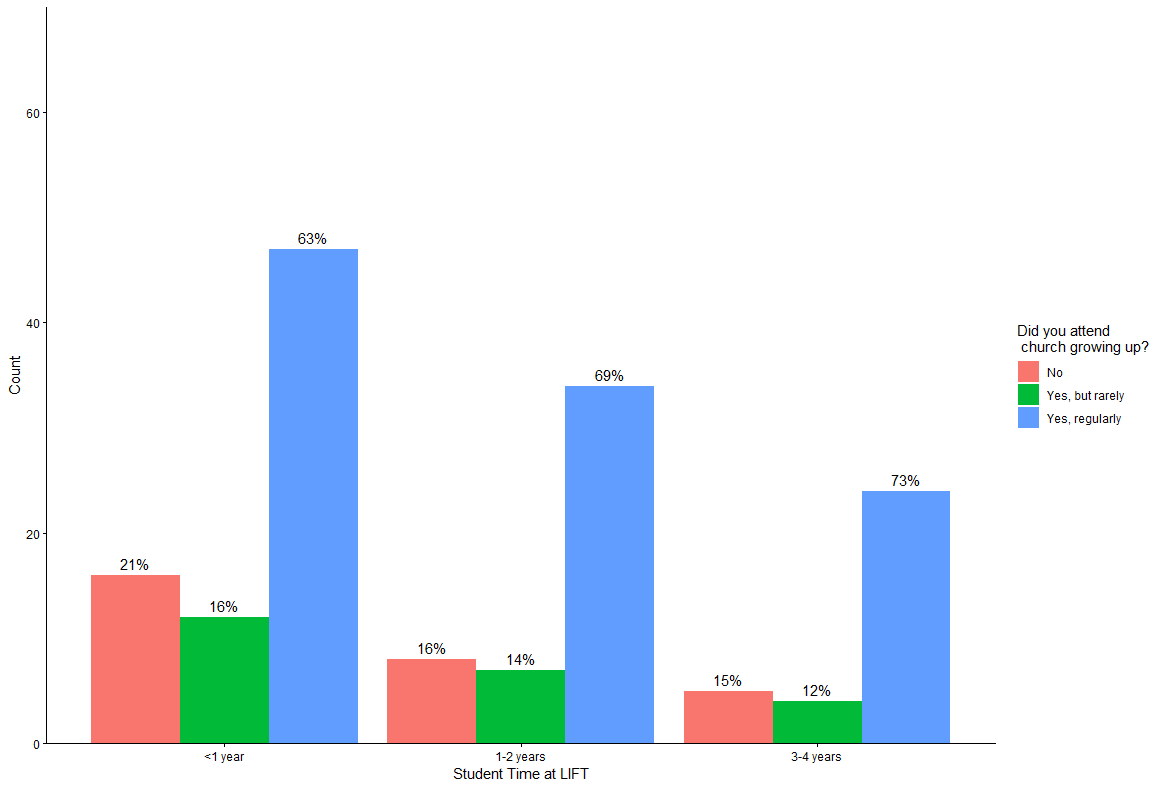
This is a very encouraging trend! It could mean a few things:
Younger students are more open to Christianity
Or our evangelism efforts are working
Key Learning: We are potentially in a cultural moment of greater openness to the Gospel!
4. Students Love Evangelism
We found that 74% of our students are engaged in overt evangelism. Primarily through our monthly “everyone talk to strangers about Jesus” weeks. We started several years ago as a way to get everyone that’s connected to our church engaged in evangelism activities. We found that by specifying when/where do evangelism it reduced barriers it and enabled people to easily jump into engaging in evangelism for the first time.
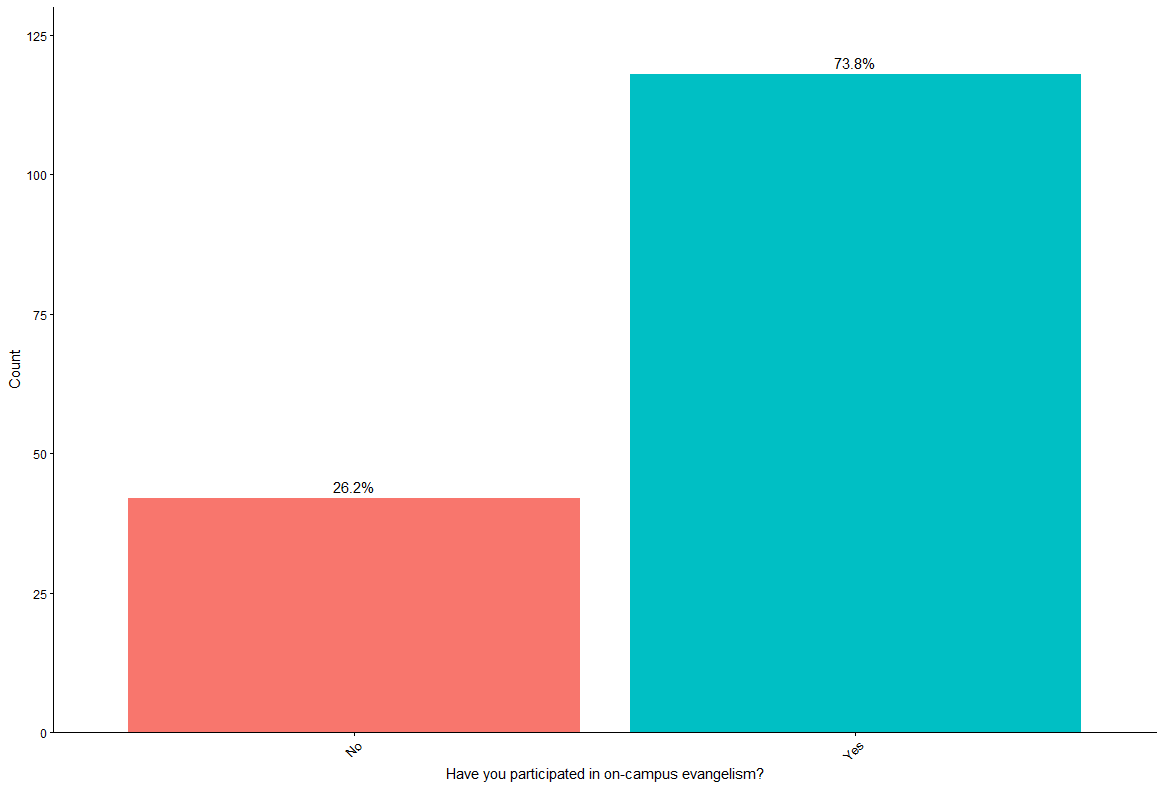
While it has been incredibly encouraging that many students are engaged in evangelism, that was not particularly surprising. We were, however, surprised at how overwhelmingly positive they were about it. The most common feedback we received in the free-text responses was gratitude for the way we are encouraging and equipping them for evangelism.
Key Learning: This generation is willing and eager to tell people about Jesus — they just need someone to encourage and help them to do it!
4. Those who evangelize are 5x more likely to have a non-Christian attend Bible Studies
It is not just amazing that many students are engaged in evangelism. It’s better than that. Those who participate in evangelism are five times more likely to have a non-believer regularly studying scripture with them.
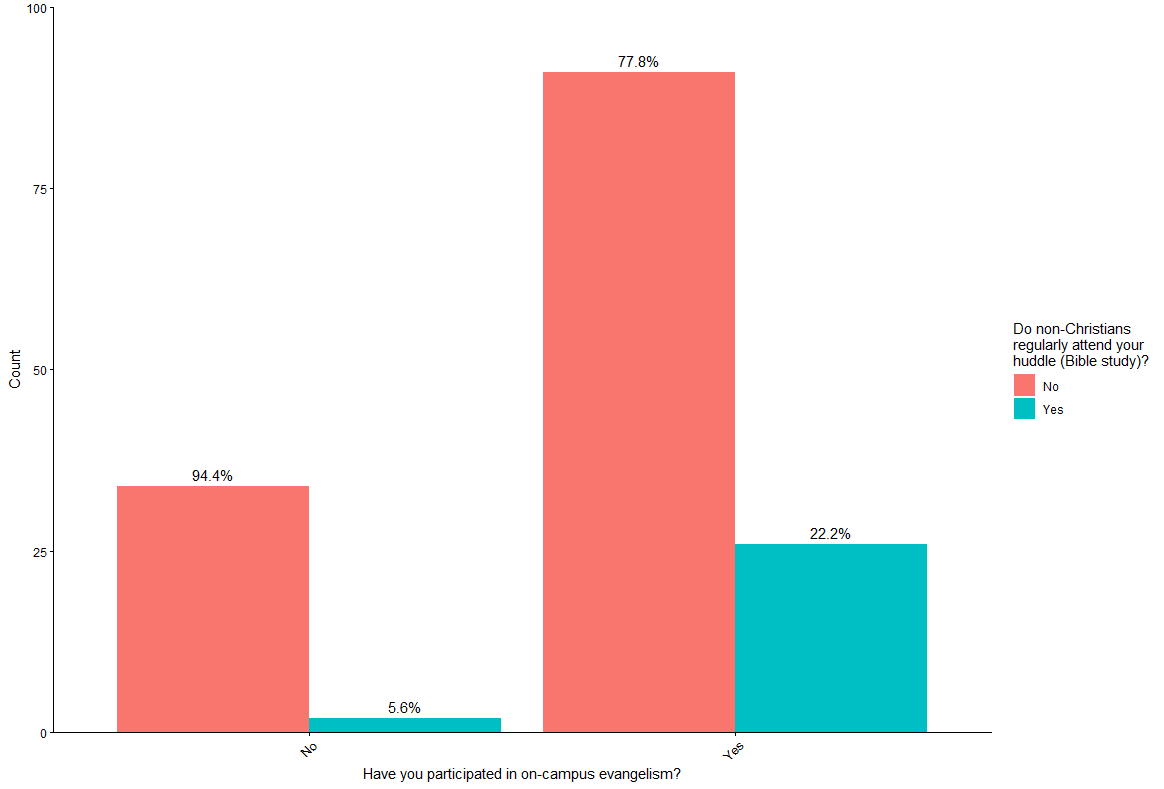
There are two ways to understand this finding. The first is that when people engage in evangelism, they are effectively inviting others to study scripture.
The second option is that evangelism doesn’t directly result in people coming to Bible study, but it causes the people in the Bible study to be more broadly open and intentional about integrating non-believers into their faith rhythms.
Our sense is that it is likely a combination of the two. However, both of these are very good news!
Key Learning: Evangelism works! by reaching people, but also in forming Christians to be more effective at integrating non-believers.
Conclusions
I hope you are as encouraged as I am about these results! They are incredibly encouraging about the effectiveness and importance of intercultural engagement as well as evangelistic priority in this generation.
Next week, I will unpack the mechanisms of fruitful evangelism as well as discipleship fruitfulness. Make sure to subscribe to receive that article.
Note: I am indebted to the brilliant Jaden Kropf (PhD Candidate, University of Toronto) for bringing his expertise in survey design and data analysis to this work. I am also thankful to the tireless efforts of Tarrah Martin on our operations team, who coordinated the survey! Thank you to both of you!
Thanks for sharing!
Thanks for sharing Robin. Curious, do you guys have different mechanisms for evangelism? I'm curious if there's any findings regarding what method of evangelism has been more fruitful for your ministry